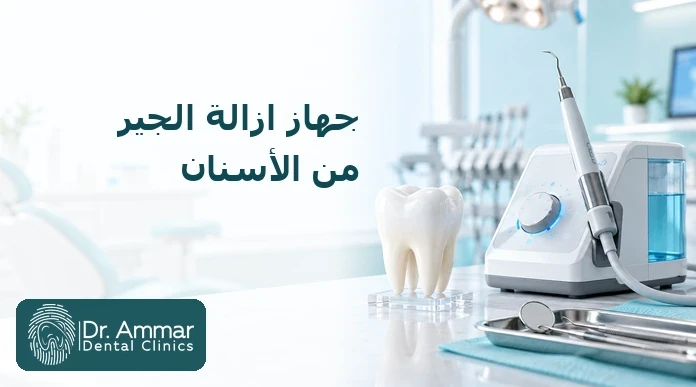
Dental tartar removal device
A dental scaling device (ultrasonic scaler) is one of the most essential instruments used during professional dental cleanings. It removes hardened calculus (tartar) and stubborn plaque deposits that cannot be eliminated through routine brushing and flossing alone, thereby protecting gum health and preserving tooth integrity.
Modern dental technologies utilize high-frequency micro-vibrations to shatter and wash away tartar buildup while protecting surrounding soft tissues. The choice of device and scaling technique varies based on individual clinical presentations and the extent of calculus accumulation.
In this guide, we discuss dental scaling devices, how they work, clinical indications, optimal technologies, treatment steps, discomfort levels, average costs in Egypt, post-care advice, and why Dr. Ammar’s Clinics is a recommended practice for professional dental hygiene.
Overview of Dental Scaling Devices
A dental scaling device is a specialized clinical instrument equipped with a fine metal tip that vibrates at high speeds to break down calculus. It reaches tight interdental spaces and cleans thoroughly along the gumline.
Professional scaling does more than enhance smile aesthetics; it removes bacterial layers that cause chronic periodontal inflammation. Every hygiene session begins with a diagnostic evaluation of your teeth and gums.
If you notice tartar accumulation, enamel discoloration, or frequent gum bleeding, contact Dr. Ammar’s Clinics to schedule an evaluation and receive a customized cleaning plan.
How Does a Dental Scaling Device Work?
Scaling instruments use micro-vibrational energy to disrupt the bond between hardened calculus and enamel. This approach replaces heavy manual scraping, allowing the clinician to clear deposits with greater precision and patient comfort.
During the procedure, the dentist glides the vibrating tip over areas of buildup while a continuous water spray cools the instrument tip and rinses away debris.
Key Working Principles:
- Reaches deep interdental spaces and subgingival areas.
- Uses water irrigation to flush out bacteria and fragments.
- Offers adjustable power settings tailored to patient sensitivity and calculus density.
Indications for Professional Dental Scaling
Routine brushing and flossing cannot remove hardened calculus once it forms. Professional scaling is indicated when deposits accumulate along the tooth crown or subgingival margins.
Common Indications:
- Heavy plaque and tartar buildup along the gumline.
- Gingival inflammation, redness, or frequent bleeding.
- Persistent halitosis (bad breath) linked to bacterial retention.
- Visible tooth staining caused by calculus.
- Active periodontal disease or deep gum pockets.
- Orthodontic appliances (braces) that hinder standard oral hygiene.
- Pre-surgical or pre-treatment oral clearance.
Types of Dental Cleaning Devices
Dental clinics utilize various tools to maintain oral hygiene, ranging from home-care adjuncts to advanced in-office systems:
- Ultrasonic Scalers: The primary in-office standard. They utilize high-frequency acoustic vibrations and interchangeable tips to break apart heavy calculus deposits efficiently.
- Water Flossers (Oral Irrigators): Auxiliary devices using pulsed water streams to clear food debris and uncalcified plaque from interdental gaps; used as an adjunct to daily brushing.
- Waterlase Systems: Advanced laser-water combination tools utilized by clinicians for specific laser periodontics and soft tissue therapies based on clinical assessment.
Step-by-Step Dental Scaling Procedure
Professional cleanings follow a structured sequence to ensure complete plaque and tartar removal:
- Diagnostic Examination: Inspecting the oral cavity to identify calculus distribution above (supragingival) and below (subgingival) the gumline.
- Device Setup: Selecting the appropriate instrument tip and calibrating power and water flow settings.
- Tartar Removal: Gliding the scaler tip along tooth surfaces to fragment and detach calculus deposits.
- Subgingival Cleaning: Clearing subgingival deposits if periodontal pockets or deeper buildup are present.
- Root Planing & Smoothing: Smoothing rough root surfaces when indicated to prevent future bacterial reattachment.
- Polishing: Applying a prophylaxis paste to buff out surface stains and smooth the enamel.
- Post-Cleaning Assessment: Re-evaluating tissue response and providing personalized home-care instructions.
Health Benefits of Dental Scaling
Removing calculus is essential for long-term oral health. Key benefits include:
- Gum Disease Prevention: Reduces pocket depth and halts the progression of gingivitis to periodontitis.
- Bleeding Control: Alleviates localized inflammation caused by bacterial toxins.
- Halitosis Reduction: Eliminates chronic odor-causing bacterial reservoirs.
- Stain Removal: Buffs away extrinsic coffee, tea, and tobacco stains.
- Tooth Retention: Protects supporting alveolar bone structures from degradation caused by long-term bacterial accumulation.
Dentists recommend scheduling professional cleanings at least twice a year (every 6 months) to maintain healthy gums and prevent advanced periodontal issues.
Is Dental Scaling Painful?
For most patients, dental scaling causes minimal to no pain. You may feel a slight vibrating sensation or mild pressure during deposit removal, particularly in areas with heavy buildup or pre-existing dentin hypersensitivity.
Any mild post-treatment sensitivity typically resolves within a few days. At Dr. Ammar’s Clinics, we adjust ultrasonic frequency settings and utilize gentle techniques to ensure a comfortable experience.
Cost of Dental Scaling in Egypt
The average cost of a dental scaling session in Egypt ranges from 550 EGP to 750 EGP.
Primary Cost Factors:
- Extent and density of calculus buildup.
- Presence of active gum inflammation requiring subgingival scaling or root planing.
- Inclusion of tooth polishing and stain removal procedures.
- Facility equipment standards and clinician expertise.
Contact Dr. Ammar’s Clinics to book your hygiene appointment and receive an accurate assessment tailored to your clinical needs.
Post-Treatment Care Guidelines
Following a professional scaling session, adhere to these simple care guidelines to calm gingival tissues and maintain results:
- Gentle Brushing: Use a soft-bristled toothbrush and fluoride toothpaste twice daily.
- Interdental Cleaning: Floss or use interdental brushes daily to prevent plaque accumulation between teeth.
- Temperature Sensitivity: Avoid extremely hot or cold foods and drinks for the first 24–48 hours if mild sensitivity occurs.
- Stain Avoidance: Limit coffee, tea, dark sodas, and smoking during the first few hours post-cleaning.
- Hydration: Drink plenty of water to rinse away food debris and encourage healthy saliva flow.
- Follow-Up: Attend regular checkups every six months as recommended by your dentist.
Why Choose Dr. Ammar’s Clinics for Dental Scaling?
Effective scaling depends on clinical expertise, proper instrument calibration, and gentle execution.
Practice Highlights:
- Experienced Clinical Team: Skilled dentists experienced in preventative periodontics and dental hygiene.
- Modern Ultrasonic Technology: High-precision scaling devices designed for thorough deposit removal.
- Strict Sterilization Standards: Adherence to complete infection control and hygiene protocols.
- Customized Care: Calibrated scaling procedures matched to individual sensitivity levels and gum health.
- Patient Follow-Up: Detailed post-care guidance and ongoing preventative recall schedules.
- Accessible Locations: Convenient clinic locations across key areas in Egypt.
Schedule Your Hygiene Session Today
Preventative care is the foundation of a healthy smile. Contact Dr. Ammar’s Clinics today to schedule your comprehensive dental evaluation and scaling session.