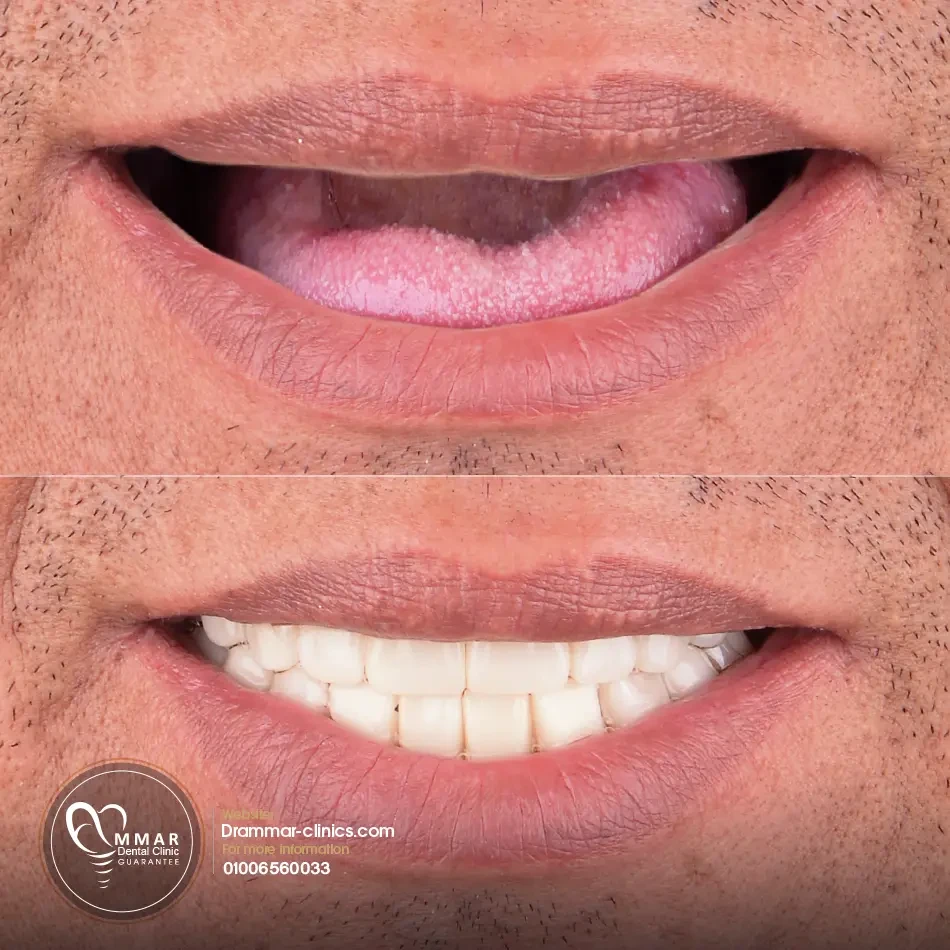
Jaw implant surgery steps
Jawbone grafting steps represent the true beginning of restoring a powerful smile and integrated oral function, especially in cases of bone loss that hinder dental implants or affect facial features. With significant advancements in oral surgery techniques, jawbone grafting has become a precise and safe procedure that reconstructs bone and enhances the long-term success of dental implants. But how long does a mandible or maxilla bone graft take?
In this article, we will explore the jawbone grafting steps in detail, why you might need this procedure, the expected duration, the cost in Egypt, success rates, and essential post-operative instructions. We will also share real-life experiences titled "My Experience with Jawbone Grafting" and discuss available alternatives for cases not suitable for traditional surgery. Finally, we will guide you to the best jawbone grafting doctor in Egypt to ensure the highest safety and success rates.
Jawbone Grafting Steps
Jawbone grafting requires a meticulous evaluation of the bone's condition through clinical examination and specialized X-rays to determine the degree of bone loss and develop an appropriate treatment plan. The jawbone grafting steps begin with preparing and thoroughly cleaning the surgical site, followed by placing the appropriate bone graft—whether autogenous (from the patient) or synthetic (safe biocompatible materials)—to compensate for the missing part and stimulate the growth of strong new bone.
This is followed by the healing phase, where the grafted bone needs sufficient time to integrate with the natural jawbone (osseointegration) to ensure stable results. Continuous follow-up is essential to ensure proper recovery and readiness for the next stage, such as dental implants or final prosthetics.
Because the success of the graft largely depends on the doctor's expertise, you can contact Dr. Ammar’s Center, where we provide the latest diagnostic and therapeutic technologies to ensure a healthy and confident smile.
Why Do You Need Jawbone Grafting?
Jawbone grafting is an essential procedure when the bone is too weak or thin to support dental implants safely. Bone density is the foundation upon which dental implants are built. Key cases requiring a bone graft include:
- Long-term tooth loss leading to jawbone atrophy.
- Planning for dental implants with insufficient bone density.
- Bone erosion due to advanced periodontal (gum) disease.
- Trauma or injuries that weakened the facial bone structure.
- Congenital defects or naturally thin jawbones.
How Long Does the Procedure Take?
A jawbone graft procedure typically takes about 1 to 2 hours, depending on the extent of bone loss. After the surgery, the healing and integration phase may last from 3 to 6 months. During this period, the grafted bone merges completely with the natural jawbone to support future implants securely.
Success Rate of Jawbone Grafting
Jawbone grafting is a highly successful procedure, with success rates in Egypt reaching approximately 95% or higher. Success depends on the surgeon's skill, the quality of the grafting material, and the patient's commitment to post-operative instructions. At Dr. Ammar’s Dental Center, we ensure a customized treatment plan and precise execution to achieve the highest success rates.
Essential Post-Operative Instructions
To ensure proper bone healing and avoid complications, patients should:
- Rest and avoid strenuous activities for at least a week.
- Sleep on the non-affected side to reduce pressure on the jaw.
- Stick to soft and mashed foods for the first two weeks.
- Avoid smoking to speed up healing and reduce infection risks.
- Use prescribed antibacterial mouthwash twice daily.
- Follow up regularly with your dentist to monitor progress.
Alternatives to Jawbone Grafting
For cases where traditional bone grafting isn't suitable, effective alternatives include:
- Removable Dentures: An economical solution, though less stable than implants.
- Fixed Dental Bridges: Provides better stability by relying on adjacent teeth.
- Immediate Dental Implants: A technique where implants are placed the same day as extraction (if sufficient bone exists).
Why Choose Dr. Ammar for Jawbone Grafting in Egypt?
When it comes to executing jawbone grafting steps with precision and safety, Dr. Ammar is the ideal choice. Our center offers:
- A specialized medical team from top Egyptian and European universities.
- The latest digital dentistry technologies for 3D diagnostics.
- High success rates in both simple and complex cases.
- Meticulous follow-up for every patient to ensure perfect results.
- Branches in Cairo and Mansoura for easy access.
Book your consultation now at Dr. Ammar’s Dental Clinics and restore your smile with confidence!