
Bone grafting before dental implants
Does weak jawbone structure prevent you from getting dental implants? Find out when a bone graft is necessary before dental implant surgery, how the procedure is performed, how long the healing process takes, and how it helps provide a stable foundation for the implants.
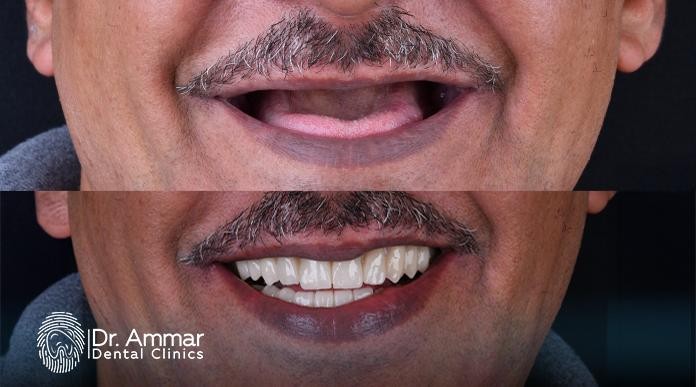
Losing teeth or experiencing a reduction in jawbone density no longer has to prevent you from restoring your smile. Advances in dentistry now offer solutions that help prepare the jaw to support dental implants. Bone grafting before dental implants is one of these solutions, as it helps replace lost bone and provide the support needed to stabilize dental implants, depending on the condition of the jaw and the most appropriate treatment plan.
In this article, we'll explain bone grafting before dental implants, when it becomes necessary, the main types of dental bone grafts, how jawbone loss is diagnosed, the steps involved in bone grafting, and the recovery period. We'll also discuss potential pain and risks after the procedure. Finally, we'll recommend one of the best dental clinics specializing in bone grafting before dental implants in Egypt. Keep reading to learn more.
What Is Bone Grafting Before Dental Implants?
Bone grafting before dental implants is a medical procedure designed to replace lost jawbone and prepare it to support dental implants, particularly when there is insufficient bone volume or density to hold the implants securely. Achieving successful results depends not only on the implant itself but also on having a suitable bone foundation that supports it and maintains its long-term stability.
The need for bone grafting is determined through an examination of the mouth and jaw and an assessment of the available bone. Treatment methods vary depending on the location and extent of bone loss. In some cases, bone grafting can be performed at the same time as dental implant placement, while other cases require a healing period before the implants can be inserted.
If you're preparing for dental implants and have experienced jawbone loss, don't hesitate to contact Dr. Ammar Dental, Cosmetic, and Implant Clinics to book a consultation. Our team will evaluate your condition and determine whether bone grafting before dental implants is suitable for you to support successful implant placement.
When Is Bone Grafting Necessary Before Dental Implants?
Bone grafting before dental implants becomes necessary when the jawbone lacks sufficient density or volume to securely support dental implants. The dentist determines whether bone grafting is required after examining the jaw and performing the necessary imaging tests.
The most common situations that may require bone grafting before dental implants include:
Losing teeth for an extended period, resulting in gradual jawbone deterioration.
Advanced gum disease that causes bone loss.
Loss of part of the jawbone due to injuries or previous infections.
Insufficient bone height in the upper jaw due to the proximity of the maxillary sinuses.
Inadequate jawbone width or volume to safely support an implant.
The need to replace lost bone after tooth extraction or prepare the implant site.
In these situations, bone grafting helps prepare the jaw to receive dental implants and improve their stability. The dentist determines the appropriate timing based on the extent of bone loss and the condition of the jaw.
Contact Dr. Ammar Clinics today to schedule a consultation, receive a thorough oral examination, and find out whether bone grafting before dental implants is suitable for your needs and treatment plan.
Types of Dental Bone Grafts
The types of dental bone grafts vary according to the source of the material used to replace missing bone. The choice depends on the extent of bone loss, its location in the jaw, and the treatment plan recommended by the dentist after examination.
The most common types include:
Autogenous bone grafts: These involve using bone taken from the patient's own body, either from another area of the mouth or another part of the body, depending on the requirements of the case.
Synthetic bone grafts: These use biocompatible manufactured materials, such as hydroxyapatite and tricalcium phosphate, to help support bone growth in the targeted area.
With continuous advancements in dentistry, bone grafting before dental implants has become more straightforward in many cases thanks to synthetic bone graft materials. These materials help compensate for bone loss and prepare the jaw for dental implants without always requiring bone to be harvested from another part of the body.
However, selecting the appropriate material and determining its suitability depend on the extent of bone loss, the condition of the jaw, and the dentist's assessment and necessary examinations.
How Is Jawbone Loss Diagnosed?
Diagnosing jawbone loss requires a thorough evaluation to determine the amount of missing bone and its ability to support dental implants. Early diagnosis helps establish whether bone grafting before dental implants is necessary and identify the procedures needed to prepare the jaw for implant placement.
At Dr. Ammar Dental, Cosmetic, and Implant Clinics, we carefully evaluate the jaw using several essential examinations, including:
Clinical examination: Examining the teeth, gums, and missing tooth area to detect inflammation and assess the surrounding tissues.
Conventional dental X-rays: Providing an initial assessment of the jawbone and adjacent teeth and determining whether more detailed imaging is needed.
3D cone beam computed tomography (CBCT): Accurately measuring jawbone height and width and identifying the positions of nerves and sinuses relative to the implant site.
Bite assessment: Examining how the teeth meet and how chewing forces are distributed to assist with implant planning.
Medical history review: Identifying chronic illnesses, medications, previous surgeries, and other factors that may affect bone healing.
Through these examinations, our team at Dr. Ammar Clinics can assess the available bone and determine whether bone grafting before dental implants is required, allowing us to develop a treatment plan tailored to each patient's jaw condition and individual needs.
Steps of Dental Bone Grafting
Bone grafting before dental implants involves several stages designed to replace missing jawbone and prepare the area for dental implant placement. The dentist determines the details of the procedure according to the location and extent of bone loss and the type of grafting material used.
If you're wondering how dental bone grafting is performed, the procedure generally includes the following steps:
Anesthesia: The dentist administers local anesthesia to the targeted area to minimize discomfort during the procedure. General anesthesia may be used in certain cases depending on the treatment plan.
Opening the gums and preparing the area: The dentist makes a surgical incision in the gum tissue and gently moves it aside to access the jawbone, then cleans and prepares the area for the grafting material.
Placing the bone graft material: The selected grafting material is placed in the area experiencing bone loss to help restore the missing volume and support the formation of new bone.
Covering the graft site: The dentist may place a protective membrane over the graft material to help protect it and support the bone healing process.
Closing the incision: The gum tissue is repositioned and closed using surgical stitches to protect the area during recovery.
Monitoring healing: The dentist schedules follow-up appointments to monitor recovery, assess new bone formation, and determine the appropriate time to proceed with dental implant placement.
After completing the dental bone grafting procedure, the jaw requires time to heal and develop new bone. The recovery period varies depending on the size of the graft, the patient's condition, and the body's healing response.
Because successful bone grafting depends on the accuracy of the procedure and proper recovery monitoring, Dr. Ammar Clinics provides comprehensive care, starting with a thorough diagnosis and a personalized treatment plan and continuing through the healing process to ensure the jaw is properly prepared for dental implant placement.
How Long Does Dental Bone Grafting Take?
Bone grafting before dental implants usually takes between one and two hours, depending on the extent of bone loss, its location in the jaw, and the complexity of the procedure.
After surgery, the bone needs time to heal and integrate with the surrounding area. The dentist determines when dental implant placement can proceed based on healing progress and the condition of the jaw.
Is Dental Bone Grafting Painful?
No, bone grafting before dental implants is generally not painful during the procedure because it is performed under appropriate anesthesia. In most cases, postoperative discomfort is manageable with medications prescribed by the dentist.
For a more comfortable recovery, follow your dentist's postoperative instructions carefully and take medications according to the prescribed dosage. Contact your dentist if you experience severe pain or notice any unusual symptoms.
What Are the Potential Risks of Jawbone Grafting?
Bone grafting before dental implants is generally considered a safe procedure. However, like any surgical intervention, it may involve certain complications, and the likelihood of these complications varies depending on the patient's health and the nature of the procedure.
Potential risks include:
Infection at the surgical site.
Persistent or excessive bleeding.
Complications related to anesthesia.
Injury to nerves near the surgical area in some cases.
Failure of the bone graft material to integrate or insufficient new bone formation.
Increasing pain or swelling after the first week, or the appearance of pus or discharge from the surgical site, may indicate a complication that requires dental evaluation.
Regular follow-up appointments and adherence to postoperative instructions help identify potential complications early and ensure appropriate management.
Dental Bone Grafting Clinics in Egypt
At Dr. Ammar Dental, Cosmetic, and Implant Clinics, we focus on preparing the jawbone for successful dental implant placement through accurate diagnosis and carefully planned treatment tailored to each patient.
Our approach emphasizes every stage of care, from treatment planning to recovery monitoring, helping patients restore their smiles through clear treatment steps and comprehensive dental care.
Why Choose Dr. Ammar Clinics for Bone Grafting Before Dental Implants?
More than 10 years of experience in dental implants and oral surgery.
Modern technologies that support accurate diagnosis and treatment planning.
Personalized treatment plans designed around each patient's needs.
Follow-up care to monitor healing and assess bone readiness for dental implant placement.
Multiple branches in Cairo, Giza, and Mansoura for convenient access to dental services.
Special appointment arrangements for international patients, particularly those traveling from Saudi Arabia.
Ultimately, jawbone loss does not necessarily mean giving up on restoring your smile. With an accurate diagnosis and the appropriate procedure, bone grafting before dental implants can be an important step in preparing the jaw for successful dental implant placement.
Because every patient has unique needs, Dr. Ammar Dental, Cosmetic, and Implant Clinics focuses on evaluating jawbone conditions, developing individualized treatment plans, and carefully monitoring each stage of recovery.
Don't hesitate to contact us today and book your consultation. Let us help you take the first step toward a healthy, balanced smile with confidence and peace of mind.