
Care and Prohibitions After Dental Implants
Post-Dental Implant Care Guide from Dr. Ammar Dental Clinic — what to do and what to avoid following your procedure, including guidelines for eating, oral hygiene, and follow-up care, as well as precautions to protect your implant and accelerate your recovery.
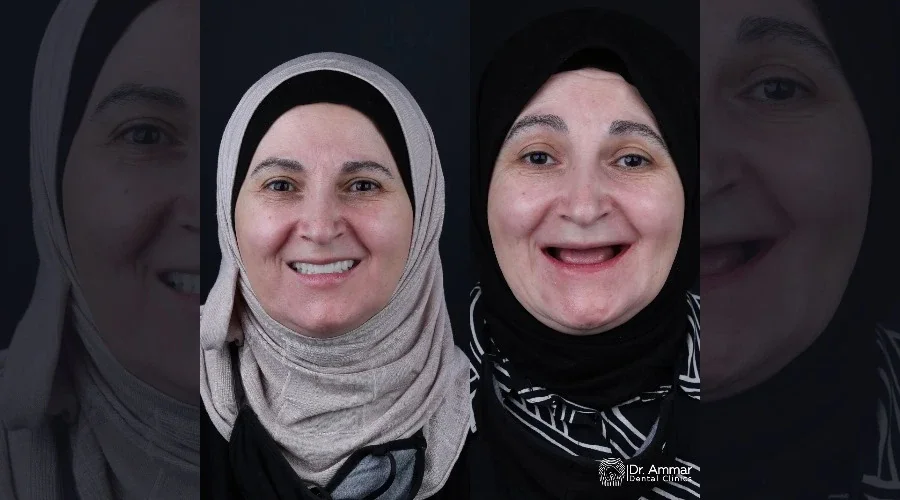
Proper care after dental implant surgery promotes faster recovery and helps protect the implant. It involves gentle oral hygiene, eating soft foods, avoiding smoking and strenuous physical activity during the first few days, and attending regular follow-up appointments. The first few days after implant placement are particularly important, and following postoperative instructions can significantly influence treatment outcomes.
At Dr. Ammar Dental Clinics, we provide clear postoperative instructions after every procedure and monitor your recovery. Below is a practical guide explaining what to do and what to avoid after dental implant surgery.
📌 Key Takeaways
The first 24–48 hours are the most important: Rest, apply cold compresses, and avoid touching the surgical site.
Diet: Start with soft, cold, or lukewarm foods.
Restrictions: Avoid smoking, hot beverages, strenuous physical activity, and vigorous mouth rinsing during the early recovery period.
Oral Hygiene: Clean gently around the implant site according to your dental team's instructions.
Regular follow-up appointments are essential for long-term dental implant success.
- Book your appointment Reach us whichever way suits you best.
What Should I Do During the First 48 Hours After Dental Implant Surgery?
During the first two days after dental implant placement, prioritize rest, apply cold compresses to reduce swelling, eat soft foods, and avoid touching the implant site or rinsing your mouth vigorously. These early precautions help support proper healing and a smoother recovery.
Apply cold compresses to the outside of your cheek to help reduce postoperative swelling.
Take prescribed pain medication when necessary, following your dentist's instructions.
Eat soft, lukewarm foods and avoid chewing on the side where the implant was placed.
Avoid vigorous mouth rinsing and forceful spitting to prevent disturbing the surgical site.
What Foods Can You Eat and Avoid After Dental Implant Surgery?
After dental implant surgery, begin with soft foods served cold or at a lukewarm temperature. Avoid hard, very hot, and spicy foods during the first few days, then gradually return to your normal diet as healing progresses.
Recommended Foods (Early Recovery): Yogurt, mashed potatoes, lukewarm soup, and other soft foods that require minimal chewing.
Foods to Temporarily Avoid: Hard or crunchy foods, very hot meals, spicy dishes, and nuts.
Gradual Return to Normal Eating: Resume your usual diet as the surgical site heals and according to your dental team's recommendations.
- Book your appointment Reach us whichever way suits you best.
What Should You Avoid After Dental Implant Surgery?
The main restrictions after dental implant surgery include smoking, drinking hot beverages, strenuous physical activity, vigorous mouth rinsing, and chewing directly on the implant site during early healing. These activities may interfere with tissue recovery or compromise implant stability.
Smoking: Increases the risk of dental implant failure and delays wound healing. Avoid smoking, particularly during the recovery period.
Hot Beverages: Avoid very hot drinks during the first few days after surgery.
Strenuous Exercise and Physical Activity: Temporarily avoid intense workouts and heavy physical exertion.
Vigorous Mouth Rinsing and Drinking Through a Straw: Avoid forceful rinsing and suction during the initial healing period.
Neglecting Oral Hygiene or Follow-Up: Poor oral hygiene and missed appointments can increase the risk of postoperative complications.
How Should You Maintain Oral Hygiene Around a Dental Implant?
After dental implant placement, brush your teeth gently while initially avoiding direct contact with the surgical site, as instructed by your dentist.
Once the area has healed, maintaining thorough daily oral hygiene around the implant is essential for preventing peri-implant inflammation and supporting long-term implant health.
Good oral hygiene is one of the most important factors in maintaining successful dental implants.
During Early Healing: Brush gently and avoid directly disturbing the implant site according to your postoperative instructions.
After Healing: Maintain daily oral hygiene around the implant using an appropriate toothbrush, dental floss, or interdental brushes as recommended by your dental team.
Gentle Saline Rinses: Use warm saltwater rinses only if recommended by your dentist.
Prevention of Peri-Implantitis: Inadequate oral hygiene may contribute to inflammation of the tissues surrounding the dental implant.
- Book your appointment Reach us whichever way suits you best.
When Should You Contact Your Dentist After Dental Implant Surgery?
Contact your dentist if pain or swelling increases after several days instead of gradually improving, or if you experience fever, persistent bleeding, or any unusual symptoms around the implant site.
Mild postoperative discomfort that gradually decreases is generally expected. However, worsening symptoms require professional assessment.
For questions about your recovery or to schedule a postoperative follow-up appointment, contact Dr. Ammar Dental Clinics at +20 10 3002 8628.
Restoring your smile through dental implant treatment does not end when the surgical procedure is completed. It also involves an important recovery period during which proper care helps protect the implant and support the healing of surrounding tissues.
The more consistently you follow postoperative instructions and avoid activities that may interfere with healing, the better your chances of maintaining successful long-term treatment outcomes.
At Dr. Ammar Dental Clinics, we support you throughout your recovery journey by providing clear aftercare instructions and appropriate follow-up at every stage.
If you are preparing for dental implant surgery, contact our team. We are here to help you restore your smile and maintain your dental health for years to come.
- Book your appointment Reach us whichever way suits you best.
Frequently Asked Questions
What Should You Avoid After Dental Implant Surgery?
Avoid smoking, hot beverages, strenuous physical activity, vigorous mouth rinsing, and chewing directly on the implant site during the first few days. Maintain proper oral hygiene according to your dentist's postoperative instructions.
What Can You Eat After Dental Implant Surgery?
You can initially eat soft, cold, or lukewarm foods, such as yogurt, mashed potatoes, and lukewarm soup. Gradually return to your regular diet as healing progresses and according to your dentist's recommendations.
When Will the Discomfort After Dental Implant Surgery Go Away?
Pain and discomfort usually begin to decrease within the first few days after the procedure. Contact your dentist if the pain persists, worsens, or does not improve as expected.
Can You Smoke After Dental Implant Surgery?
Smoking should be avoided after dental implant surgery because it negatively affects tissue healing and increases the risk of implant failure, particularly during the initial recovery period.
When Can You Return to Normal Activities After Dental Implant Surgery?
Most patients can return to their usual daily activities within a few days. However, strenuous exercise and heavy physical activity should be avoided temporarily until your dentist confirms that it is safe to resume them.
When Should You See Your Dentist After Dental Implant Surgery?
Contact your dentist if pain or swelling increases after the first few days, you develop a fever, bleeding persists, or you notice any unusual symptoms around the implant site.
- Book your appointment Reach us whichever way suits you best.
🩺 Medical Review
This content was medically reviewed by the Medical Committee at Dr. Ammar Dental Clinics, chaired by Dr. Abdelrahman Amal (Master's Degree in Dental Implantology — Aldo Moro University, Bari, Italy), together with members of the dental implant team, on June 26, 2026.
The information provided is intended for educational purposes only and does not replace an individualized dental consultation, clinical examination, or professional diagnosis.
Author: Dr. Ammar — Member of the American Academy of Cosmetic Dentistry (AACD) and Fellow of the International Congress of Oral Implantologists (ICOI).