
Types of German dental implants
German dental implants represent an advanced option for replacing missing teeth, thanks to their precision, high manufacturing quality, and the variety of systems available to suit different clinical cases.
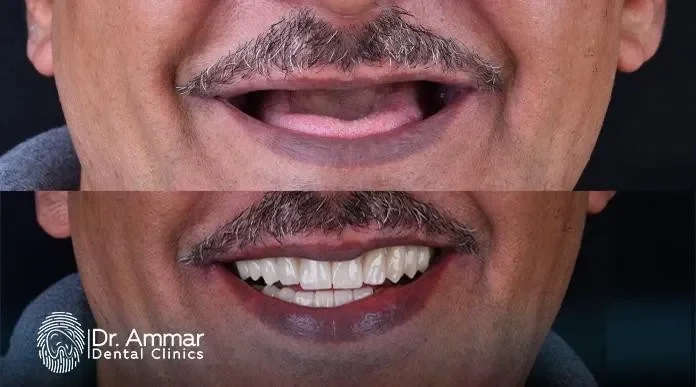
Tooth loss does not only affect the appearance of your smile; it can also compromise your ability to chew and speak comfortably. German dental implant systems are among the options commonly used to replace missing teeth, thanks to the wide variety of implant designs, precise manufacturing standards, and different clinical specifications available across systems.
In this article, we will explore the main types of German dental implants, their advantages, the cost of German dental implants in Egypt, the differences between German and Korean implant systems, whether German dental implants can be placed without conventional surgery, how to choose the most suitable implant system, and why Dr. Ammar Clinics may be considered for dental implant treatment.
Overview of German Dental Implant Types
German dental implants are widely used for replacing missing teeth. German manufacturers are known for developing implant systems using precision-engineered components and biocompatible materials intended for clinical dental use.
These implant systems vary in implant body design, diameter, length, prosthetic connection, and surface treatment, allowing the implant dentist to select a suitable system based on jawbone quality, implant site, and the individual clinical requirements of each patient.
However, the success of dental implant treatment does not depend solely on the country of manufacture. It is also influenced by the quality of the implant system, proper case selection, bone and soft-tissue conditions, the clinician’s experience in treatment planning and surgical placement, and adherence to postoperative care instructions.
At Dr. Ammar Clinics for Dental Care, Cosmetic Dentistry, and Implant Dentistry, we carefully assess oral health and jawbone condition before recommending the most appropriate implant system. We also explain the available German dental implant options and use modern diagnostic and treatment technologies throughout the different stages of care.
What Are the Best German Dental Implant Systems?
German dental implant systems vary according to the manufacturer. Each company offers different implant lines, prosthetic components, implant-abutment connections, surface technologies, and implant designs.
This variety enables the clinician to compare implant systems according to bone density, the location of the missing tooth, available bone volume, prosthetic requirements, and the patient’s treatment needs.
Some of the well-known German dental implant systems include:
BEGO Dental Implants
BEGO offers the Semados implant system, which includes several implant lines such as RS, RSX, SC, and SCX.
These systems provide different implant designs and prosthetic connection options. BEGO also uses its TiPurePlus surface technology, which is designed to provide an implant surface suitable for osseointegration.
The available implant configurations give clinicians flexibility when choosing an implant according to the anatomical and restorative requirements of each case.
HumanTech Dental Implants
HumanTech offers the RatioPlant implant system, which includes several implant designs such as Classic, Avantgarde, ConeCept, and Single.
These systems feature different implant geometries and implant-abutment connection concepts. They are manufactured from biocompatible titanium and use treated implant surfaces intended to support osseointegration.
The variety of designs allows implant dentists to select an appropriate configuration according to the patient's bone anatomy and treatment plan.
CAMLOG Dental Implants
One of CAMLOG’s most established systems is the CAMLOG SCREW-LINE implant system.
It uses an internal Tube-in-Tube implant-abutment connection, designed to provide precise positioning and stability between the implant and abutment.
The system is available in multiple diameters and lengths. CAMLOG also provides the CONELOG implant system, which uses a conical implant-abutment connection, offering additional restorative options depending on the clinical situation.
Medentis Dental Implants
One of the key implant systems from Medentis is the ICX Premium implant system.
It features a slightly tapered implant body, a treated implant surface, and an internal conical anti-rotational connection designed to create a stable implant-abutment interface.
The system is available in a range of diameters and lengths, allowing clinicians to select an implant that matches the available bone dimensions and treatment requirements.
bredent Dental Implants
bredent offers several dental implant systems, including blueSKY, classicSKY, and narrowSKY.
These implant lines are designed for different clinical indications and available bone dimensions.
The narrowSKY system may be considered in sites where a reduced implant diameter is required, while blueSKY provides broader restorative and surgical options for a variety of implant cases.
Dentaurum Dental Implants
Dentaurum offers the tioLogic implant system, which incorporates a prosthetic connection designed to provide stable implant-abutment fixation.
The system is available in multiple implant dimensions and restorative components, allowing the clinician to select the most suitable configuration according to implant location, jawbone anatomy, and prosthetic treatment needs.
Although these systems differ in design and technical characteristics, choosing the right German dental implant should not be based on the manufacturer alone.
The decision should take into account jawbone volume and density, periodontal and soft-tissue health, the location of the missing tooth, prosthetic requirements, occlusion, and the overall treatment plan.
At Dr. Ammar Clinics, we assess the condition of the jawbone and gums carefully before selecting an implant system that matches each patient's clinical needs and treatment goals.
Advantages of German Dental Implants
German dental implant systems are known for their broad range of designs, precision manufacturing standards, and advanced engineering concepts.
This provides dentists with multiple implant options that can be selected according to bone anatomy, prosthetic needs, and the clinical requirements of each patient.
The potential benefits of dental implant treatment include:
Precision engineering and manufacturing: German implant manufacturers generally apply strict production standards and advanced manufacturing technologies.
Wide range of implant sizes and designs: Different implant diameters, lengths, and configurations allow treatment to be adapted to various anatomical situations.
Accurate diagnosis and treatment planning: Clinical examination and dental imaging help evaluate bone volume and determine appropriate implant positioning.
Postoperative follow-up: Regular follow-up helps monitor soft-tissue healing, osseointegration, implant stability, and any potential complications.
Preservation of jawbone function: Dental implants transmit functional loading to the surrounding alveolar bone, helping reduce bone resorption associated with tooth loss.
Protection of adjacent teeth: Unlike conventional dental bridges, a single dental implant can replace a missing tooth without preparing or reducing healthy neighboring teeth.
Selecting an appropriate implant system, combined with accurate diagnosis, sound surgical planning, and clinical experience, can support long-term implant stability and restoration of oral function and aesthetics.
What Is the Cost of German Dental Implants?
The cost of a German dental implant may range from EGP 8,000 to EGP 13,000 per tooth, although the final treatment cost can vary depending on the implant manufacturer, implant system, prosthetic components, jawbone condition, gum health, and whether additional procedures are required before implant placement.
To receive an accurate estimate for your specific case, a clinical examination and radiographic assessment are required.
At Dr. Ammar Clinics, we evaluate the jawbone and oral condition, explain the available German dental implant systems, and provide an estimated treatment cost based on the individual treatment plan.
Factors Affecting the Cost of German Dental Implants
The cost of German dental implants varies from one patient to another and is not determined by the implant brand alone.
Several clinical and restorative factors may influence the final cost, including:
The implant manufacturer and implant system, such as BEGO, HumanTech, or CAMLOG.
The number of missing teeth that require replacement.
Jawbone volume and the possible need for bone grafting or guided bone regeneration.
Periodontal health and the condition of the surrounding teeth.
The type of final crown, such as porcelain-fused-to-metal, zirconia, or lithium-disilicate restorations.
Diagnostic imaging and examinations required before implant placement.
The clinician’s experience and the technologies used during diagnosis, surgery, and prosthetic rehabilitation.
These factors do not only affect treatment cost. They can also influence implant selection, surgical complexity, prosthetic planning, and the predictability of the final outcome.
What Are the Best Dental Implant Brands?
There are many internationally recognized dental implant brands, each offering different implant designs, prosthetic connections, surface technologies, and restorative options.
There is no single implant brand that can be considered the best for every patient. The most appropriate system depends on jawbone anatomy, periodontal health, implant position, restorative requirements, and the clinician’s treatment plan.
Some widely known dental implant brands include:
Straumann: Offers several implant systems and is known for advanced implant surface technologies.
Nobel Biocare: Provides solutions for single-tooth replacement, multiple implants, and full-arch implant-supported rehabilitation.
Dentsply Sirona: Offers established implant systems such as Astra Tech Implant System and Ankylos.
Zimmer Biomet: Provides various implant designs and prosthetic components for different clinical applications.
Osstem: Offers implant systems in multiple diameters, lengths, and designs.
BEGO: Provides the Semados implant system with different implant configurations.
The choice between these brands should ultimately be based on clinical assessment rather than brand recognition alone.
Bone anatomy, soft-tissue health, restorative needs, and the experience of the treating implant dentist play an important role in selecting the most suitable implant system.
Can German Dental Implants Be Placed Without Surgery?
In selected cases, dental implants may be placed without conventional open-flap surgery using flapless implant placement or computer-guided implant surgery.
With this approach, the dentist uses diagnostic imaging and digital treatment planning to determine the optimal implant position. The implant may then be inserted through a small soft-tissue opening without raising a conventional mucoperiosteal flap or placing extensive surgical sutures.
However, flapless implant surgery is not suitable for every patient.
Adequate bone volume, favorable bone width and height, appropriate soft-tissue conditions, and accurate three-dimensional implant positioning are essential for safe treatment.
The suitability of a flapless or guided implant approach is determined after clinical examination and appropriate imaging, often including cone-beam computed tomography (CBCT).
Importantly, the possibility of performing minimally invasive implant placement does not depend solely on the implant brand or whether the implant is German. It primarily depends on the patient’s anatomy and the treatment plan.
Book a consultation at Dr. Ammar Clinics to have your jawbone and periodontal condition evaluated and to determine whether flapless or computer-guided implant placement is appropriate for your case.
What Is the Difference Between German and Korean Dental Implants?
German and Korean dental implant systems differ mainly in terms of manufacturers, implant designs, prosthetic connections, surface technologies, product ranges, and pricing.
However, it is not clinically accurate to determine implant quality based solely on the country of manufacture.
The choice should instead be based on the implant system itself, available clinical evidence, bone and soft-tissue conditions, prosthetic requirements, and the experience of the treating dentist.
Comparison Factor | German Dental Implants | Korean Dental Implants |
|---|---|---|
Manufacturers | Brands may include BEGO, HumanTech, and CAMLOG. | Brands may include Osstem, Dentium, MegaGen, and NeoBiotech. |
Implant design | Available in multiple implant geometries and implant-abutment connection designs. | Available in various diameters, lengths, and implant designs for different clinical indications. |
Manufacturing technologies | Manufacturers focus on precision engineering and implant surface technologies. | Manufacturers also use advanced production methods and implant surface treatment technologies. |
Cost | May be relatively more expensive depending on the implant system and restorative components. | May be relatively more affordable depending on the manufacturer and implant system selected. |
Therefore, choosing between German and Korean dental implants should be based on the specifications of the implant system and its suitability for the patient's bone anatomy, oral condition, prosthetic needs, and budget.
At Dr. Ammar Clinics, we assess each case individually and explain the available implant options so the patient can make an informed treatment decision.
Why Choose Dr. Ammar Clinics for Dental Implant Treatment?
Dental implant treatment requires careful diagnosis, surgical planning, and prosthetic planning to select an implant system and restorative components that match each patient's clinical condition.
At Dr. Ammar Clinics for Dental Care, Cosmetic Dentistry, and Implant Dentistry, we aim to provide comprehensive care throughout every stage of implant treatment through:
Extensive clinical experience: More than 10 years of experience in dental implant procedures and jawbone grafting.
Modern technologies: Advanced diagnostic and treatment technologies to support accurate implant planning.
Specialized dental team: Each patient is assessed individually, with a treatment plan tailored to their clinical needs.
Continuous follow-up: Patients are monitored throughout treatment and after implant placement.
Appointment coordination for international patients: Treatment visits can be coordinated for patients traveling to Egypt, particularly those coming from Saudi Arabia.
Ultimately, dental implant treatment can help restore chewing function and improve the appearance of the smile.
Successful treatment begins with selecting an implant system that is compatible with the patient’s jawbone, periodontal condition, and restorative requirements.
With the wide variety of German dental implant systems available, professional consultation can help patients understand their options and choose a treatment plan based on sound clinical assessment.
At Dr. Ammar Clinics for Dental Care, Cosmetic Dentistry, and Implant Dentistry, patients receive a detailed clinical evaluation, an explanation of the available implant systems, and an individualized treatment plan designed to restore oral function and smile aesthetics with confidence.