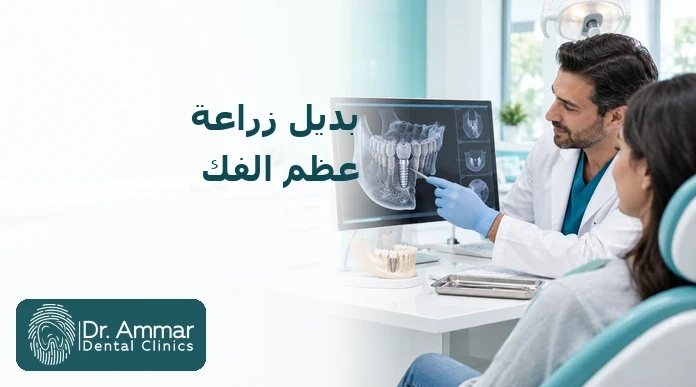
Alternative to jawbone grafting
Jawbone loss can often seem like a barrier to dental implant surgery, particularly when bone density or volume is insufficient to properly anchor and support the implant. However, bone loss does not necessarily rule out successful treatment. Thanks to advancements in implantology, alternatives to traditional jawbone grafting now exist depending on available bone volume, density, resorption location, and overall jaw architecture.
Selecting an alternative to bone grafting is not simply about avoiding an additional surgical procedure; treatment options vary significantly from case to case. In some instances, clinicians can maximize existing bone through specialized implant techniques, while other situations still require pre-implant augmentation to ensure long-term stability.
In this guide, we explore alternatives to jawbone grafting, when they are clinically indicated, whether implants can be placed without bone grafts, how clinicians select the optimal approach, preventive tips to limit bone resorption, and why Dr. Ammar’s Clinics is a recommended practice for complex implant care.
What Are Alternatives to Jawbone Grafting?
An alternative to jawbone grafting refers to specialized dental implant techniques that utilize remaining natural bone to support restorations without requiring additional bone graft procedures.
Because no single approach fits every clinical presentation, the dentist evaluates available bone volume, site geometry, the extent of tooth loss, and jaw structure before recommending a solution.
Primary Clinical Alternatives:
- Short Implants: Designed with reduced length for placement in areas with limited vertical bone height, potentially avoiding complex bone augmentation procedures in suitable candidates.
- Tilted Implants: Placed at precise anatomical angles to optimize contact with existing bone structure while bypassing areas of severe resorption; commonly used in multi-tooth restorations.
- All-on-4 / All-on-6 Systems: A technique that strategically distributes four to six implants across the arch to support a full fixed bridge, often avoiding bone grafts for patients with adequate anchor sites.
- Zygomatic Implants: Used in severe upper jaw bone loss cases, where extended implants anchor into the dense zygomatic (cheek) bone rather than the compromised alveolar bone.
These techniques differ in application and execution. They are most commonly applied to full-arch or multi-tooth restorations rather than single-tooth replacements. A comprehensive 3D diagnostic evaluation is essential to confirm stability, safety, and long-term functional support.
Don't let bone loss delay your smile restoration. Contact Dr. Ammar’s Clinics to schedule a comprehensive diagnostic assessment and explore your implant options.
When Are Bone Graft Alternatives Indicated?
While bone grafting remains a standard procedure to restore deficient jaw structure, it is not always mandatory or suitable for every patient. Depending on remaining bone dimensions and overall health, alternatives may be considered.
Common Indications:
- Sufficient localized bone volume that supports short or angled implants.
- Full-arch edentulism requiring complete upper or lower tooth replacement.
- Severe maxillary (upper jaw) bone resorption suitable for zygomatic anchorage.
- Specific clinical factors that make bone grafting surgically complex.
- Systemic health conditions or medical treatments that could compromise bone graft healing.
- A preference to streamline surgical stages when remaining bone quality permits.
A detailed clinical evaluation determines whether bone grafting can be safely bypassed in favor of alternative implant placement protocols.
Can You Get Dental Implants Without a Bone Graft?
Yes. Dental implants can be placed without a bone graft in specific cases by maximizing existing bone volume through targeted implant protocols. The dentist determines candidacy using 3D imaging (CBCT scans) to map available bone height, width, and density.
Depending on diagnostic findings, alternatives like short implants, tilted implants, or zygomatic implants may be utilized.
However, "implants without a bone graft" does not mean implants can be anchored into zero bone structure. Rather, it means that new bone material may not need to be added if remaining natural bone is sufficient to anchor and support the implant securely.
Pros and Cons of Bone Graft Alternatives
Bone graft alternatives can simplify the implant process for qualifying patients, but each technique carries specific clinical advantages and limitations.
Advantages
- Reduces the need for additional surgical sites or graft harvesting.
- Shortens total treatment time and eliminates graft healing periods.
- Efficiently utilizes existing natural bone structures.
- Reduces overall surgical stages for full-arch restorations.
- Provides viable treatment pathways for patients with localized bone deficiencies.
Disadvantages
- Not suitable for every case of jawbone loss.
- Demands precise pre-operative planning and high-resolution 3D imaging.
- Requires advanced surgical expertise and technique-sensitive execution.
- Dependent on the precise anatomical location and quality of remaining bone.
Determining whether an alternative is viable requires a specialized consultation with an experienced dental implantologist like Dr. Ammar to review diagnostic scans and select the appropriate protocol.
How Dentists Determine the Right Treatment Plan
Selecting the correct approach involves evaluating several anatomical and clinical parameters:
- Bone Density and Volume: Mapping high-density anchor sites within the jaw.
- Resorption Location: Checking proximity to critical anatomical structures, such as the maxillary sinuses or inferior alveolar nerve.
- Number of Missing Teeth: Differentiating between single-tooth, multi-unit, or full-arch restoration needs.
- Periodontal and Soft Tissue Health: Ensuring surrounding oral tissues are healthy prior to surgery.
- 3D CBCT Imaging: Acquiring three-dimensional scans to map implant trajectories precisely.
- Systemic Health Status: Reviewing medical history factors that could influence soft tissue healing and osseointegration.
These parameters help determine whether a bone graft alternative is feasible or if targeted bone augmentation remains necessary to ensure long-term implant success.
Is Jawbone Grafting Risky?
Jawbone grafting is a routinely performed, predictable procedure used to rebuild lost bone volume before or during implant placement. When executed after proper diagnostic evaluation, it carries a high success rate and is considered low-risk.
As with any surgical procedure, mild temporary side effects—such as localized swelling, discomfort, or minor bruising—are expected during early healing. Less common complications include localized infection or incomplete graft integration. Adhering to post-operative care instructions and attending routine checkups helps minimize risks and supports predictable healing.
How to Prevent Jawbone Loss
Minimizing jawbone resorption begins with proactive oral hygiene and timely dental care:
- Prompt Tooth Replacement: Replacing missing teeth early prevents alveolar bone shrinkage caused by lack of functional stimulation.
- Consistent Oral Hygiene: Brushing twice daily and flossing helps prevent periodontitis, a primary cause of bone loss.
- Early Treatment of Dental Decay: Addressing damage promptly prevents deep infections from spreading to underlying bone.
- Periodontal Management: Treating gum disease early preserves supporting alveolar bone structures.
- Smoking Cessation: Avoiding tobacco protects microvascular blood supply to periodontal tissues and bone.
- Regular Dental Checkups: Routine exams allow early detection and management of bone or tissue changes.
Why Choose Dr. Ammar’s Clinics for Dental Implants?
Dr. Ammar’s Clinics is a leading practice for implantology and cosmetic dentistry in Egypt, combining clinical expertise with advanced diagnostic tools to deliver customized treatment plans.
Every patient undergoes detailed anatomical assessments—particularly in cases involving bone deficiencies—to explore all suitable implant options and bone graft alternatives safely.
Practice Highlights:
- Specialized Expertise: Skilled implantologists experienced in handling complex bone resorption cases.
- Advanced Diagnostics: High-resolution 3D CBCT imaging for accurate pre-surgical planning.
- Tailored Treatment Plans: Comprehensive evaluations to determine whether bone grafting can be safely streamlined.
- Diverse Implant Systems: Access to short, tilted, and specialized full-arch implant protocols.
- Dedicated Surgical Team: Multidisciplinary professionals focused on functional and aesthetic outcomes.
- Structured Follow-Up: Continuous post-treatment care to monitor healing and long-term stability.
Bone loss does not have to stand in the way of restoring your smile. Contact Dr. Ammar’s Clinics today to schedule your comprehensive evaluation and discuss the best implant strategy for your needs.