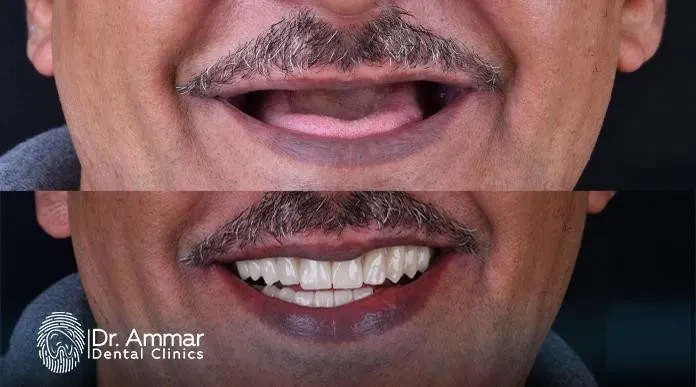
Post-operative instructions for jawbone grafting
After undergoing a jaw bone graft, a new phase begins that is no less important than the procedure itself. How you care for the graft site during recovery directly impacts its protection and healing, making adherence to post-jaw bone graft instructions an essential part of your treatment journey.
Patients often ask: When can I eat after a bone graft? What natural symptoms might appear in the first few days? How long does recovery take? And when do pain or swelling warrant consulting a doctor?
In this article, we cover the most important post-jaw bone grafting instructions to ensure a safe recovery, what to expect after dental bone grafting, common and red-flag symptoms, and our recommendation for the top dental bone graft center in Egypt. Read on to learn more.
Post-Jaw Bone Grafting Instructions and Their Role in Recovery
Post-operative instructions are a critical part of the recovery phase. Proper care protects the graft site and minimizes the risk of irritation or complications. During the first few days, the jaw requires special attention; you must closely follow your dentist’s advice regarding food intake, oral hygiene, and prescribed medications, while avoiding touching or putting pressure on the graft area.
As recovery progresses, follow-up visits allow your dentist to monitor bone healing and ensure everything is advancing as expected. Healing times vary based on the graft’s location, the extent of bone loss, and the specific procedure performed. Your dentist will schedule your dental implant placement once the jawbone is fully prepared.
At Dr. Ammar Dental, Cosmetic & Implant Clinics, our care does not end when the procedure is over. We monitor every stage of your recovery and provide tailored guidance at each step. Contact us today to book your consultation and begin your dental implant journey with a clear plan and continuous follow-up tailored to your case.
What Instructions Should You Follow After Jaw Bone Grafting?
Following post-dental bone graft instructions protects the grafted area and promotes tissue and bone healing. It is essential to strictly adhere to your doctor’s guidance and avoid anything that creates pressure or irritation.
Key post-jaw bone graft instructions include:
- Taking all prescribed medications according to the specified doses and schedule.
- Eating soft, easy-to-chew foods during the first few days.
- Maintaining oral hygiene using the specific techniques recommended by your dentist.
- Using prescribed mouthwash exactly as instructed.
- Getting adequate rest during the initial days.
- Attending all scheduled follow-up appointments to evaluate healing.
- Following your dentist’s advice on gradually transitioning back to a normal diet.
Adhering to these instructions alongside regular follow-ups supports proper bone integration, preparing your jaw for the next step of your dental implant treatment plan.
When Can You Eat After Jaw Bone Grafting?
You can generally eat after jaw bone grafting once the local anesthesia wears off—typically within two hours after the procedure. Stick strictly to soft, cold, or lukewarm foods that require no chewing pressure on the graft site. This is one of the most vital post-operative instructions, as gentle eating habits safeguard the graft during early healing. You can gradually return to your normal diet after about a week, depending on your jaw’s condition, healing progress, and dentist’s recommendation.
What Should You Avoid After Jaw Bone Grafting?
After a dental bone graft, the surgical area needs adequate time to heal without exposure to pressure or irritation. Dentists recommend avoiding specific habits and activities to protect the graft site.
Key things to avoid include:
- Smoking or using any tobacco products during recovery.
- Touching or pressing on the graft site with your tongue or fingers.
- Eating hard, crunchy, or tough foods that require heavy chewing.
- Vigorous rinsing or forceful spitting, especially in the first few days.
- Engaging in strenuous physical exercise before receiving medical clearance.
- Neglecting oral hygiene or using cleaning tools in a way that could injure the graft area.
- Taking unprescribed medications or painkillers without consulting your dentist.
Avoiding these triggers protects the graft site and prevents healing delays. Always follow any additional instructions provided by your dentist based on your specific case.
How Long Does Recovery Take After Jaw Bone Grafting?
Initial recovery begins gradually during the first week, with symptoms like swelling and discomfort steadily improving over the days following the procedure. However, complete bone integration and full healing typically take 3 to 6 months. This timeframe varies based on jaw condition, graft size, procedure type, and adherence to post-operative care. Your dentist will confirm complete bone healing before proceeding with dental implant placement.
Potential Post-Jaw Bone Graft Symptoms
Post-operative symptoms vary from person to person. Certain temporary symptoms are expected during the early days as healing begins.
Common temporary symptoms include:
- Mild to moderate pain or discomfort at the surgical site.
- Swelling of the gums or cheek to varying degrees.
- Light bruising around the area in some cases.
- Minor oozing or light bleeding shortly after the procedure.
- Sensitivity or mild tenderness when touching the surgical area.
- Temporary difficulty chewing or opening the mouth fully.
Unusual symptoms that require contacting your doctor include:
- Severe or worsening pain that does not respond to medication.
- Increasing swelling instead of a gradual decrease.
- A high body temperature or fever.
- Severe redness or pus/discharge from the surgical site.
- Heavy or persistent bleeding.
- A persistent foul odor or bad taste accompanied by pain or swelling.
In general, following all post-operative instructions helps minimize potential symptoms and supports optimal healing. If you notice any abnormal changes, do not hesitate to contact us at Dr. Ammar Clinics for a professional evaluation and prompt support.
Is Jaw Bone Grafting Painful?
Patients typically feel no pain during the jaw bone graft procedure, as it is performed under appropriate local anesthesia. Afterward, mild to moderate discomfort and swelling may occur during the first few days. These symptoms are easily managed by taking prescribed medications on schedule and following post-operative care instructions.
Tips to relieve pain after jaw bone grafting:
- Take prescribed pain relievers and medications on schedule as directed.
- Apply cold compresses to the outside of the cheek during the initial period per your doctor's guidance.
- Choose soft, cold, or lukewarm foods that do not require heavy chewing.
- Sleep with your head slightly elevated to help reduce swelling and discomfort.
- Keep all follow-up appointments to ensure the graft site is healing properly.
When Can Dental Implants Be Placed After a Bone Graft?
Dental implants can be placed once the bone graft has fully healed and integrated, creating sufficient bone density to support the implants. This process usually takes 3 to 6 months. The exact timing depends on the size and location of the graft, overall jaw health, and your body's healing response. Your dentist will evaluate the bone's readiness before scheduling the implant procedure.
Can a Jaw Bone Graft Fail?
Although jaw bone grafting has a high success rate, graft failure can occur in rare cases if the bone does not integrate as expected. Several factors can affect bone healing and graft stability, including:
- Infection at the graft site.
- Smoking or tobacco use during recovery.
- Failure to follow post-operative care instructions.
- Direct pressure or trauma to the graft area.
- Underlying medical conditions that impair bone and wound healing.
- Pre-existing gum disease or oral infections.
- Insufficient residual bone volume to support the graft.
- Case complexity or extensive bone loss.
Signs that may indicate a bone graft healing issue include:
- Severe or persistent pain that fails to improve over time.
- Swelling that increases rather than subsides.
- Heavy or recurrent bleeding.
- Fever or elevated body temperature.
- Severe redness or drainage/pus from the surgical site.
- A persistent unpleasant taste or odor along with pain or swelling.
Regular follow-up visits and strict adherence to post-operative instructions help ensure optimal recovery and early detection of potential issues—especially if you experience severe pain, worsening swelling, unusual bleeding, or signs of infection.
The Best Medical Center for Jaw Bone Grafting in Egypt
At Dr. Ammar Dental, Cosmetic & Implant Clinics, we offer specialized services in dental implants and jawbone reconstruction. Utilizing advanced digital technology for case evaluation and treatment planning, we tailor every procedure to meet our patients' unique needs.
Why choose Dr. Ammar Clinics?
- Specialized expertise in dental implants and bone reconstruction.
- Integration of advanced digital dentistry and 3D treatment planning.
- A team of specialized doctors trained at top Egyptian and European universities.
- Thorough pre-procedure evaluations to determine the ideal treatment approach.
- Comprehensive recovery tracking and personalized post-operative care guidance.
- Fully integrated implant and cosmetic dental services under one roof.
- Conveniently located branches across Cairo and Mansoura.
Following post-jaw bone graft instructions and attending regular follow-up visits are essential steps to protect the graft site and support bone healing. Recovery times and readiness for dental implants vary according to bone loss volume, graft location, procedure type, and individual healing capacity.
At Dr. Ammar Dental, Cosmetic & Implant Clinics, we provide comprehensive care—from initial jaw evaluation and procedure selection to recovery monitoring and tailored post-operative instructions—helping you prepare seamlessly for the next phase of your dental implant journey.
If you are preparing for a jaw bone graft or want to know if you need one, contact us to book your consultation at Dr. Ammar Clinics today and take the first step toward a healthier, more confident smile!